
Tainan Jiali Chi Mei Hospital’s Digital Technology Upgrade: Elevator Intelligence as the Catalyst for Change
 The 2023 field validation project is ongoing
This summer, Tainan Jiali Chi Mei Hospital and Owlsome Tech achieved an important digital milestone: the successful deployment of an “elevator intelligence system validation project.” The goal of this new validation project is to relieve elevator congestion and gather effective data results, while also bringing additional value to the healthcare institution.
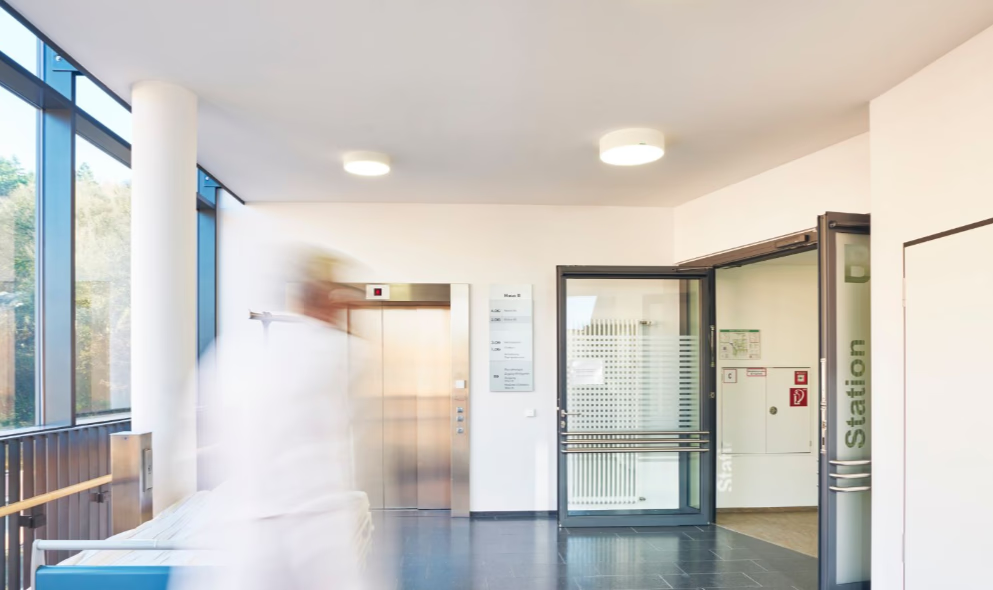
Although often overlooked, elevators play an indispensable role in hospitals, carrying countless patients, medical staff, and visitors, as well as transporting wheelchairs and hospital beds up and down the building. However, congestion has often caused excessively long patient wait times in the past—extremely inconvenient for patients in urgent need of medical help. As Jiali Chi Mei Hospital becomes increasingly busy, the demand for elevator operational efficiency has been rising.
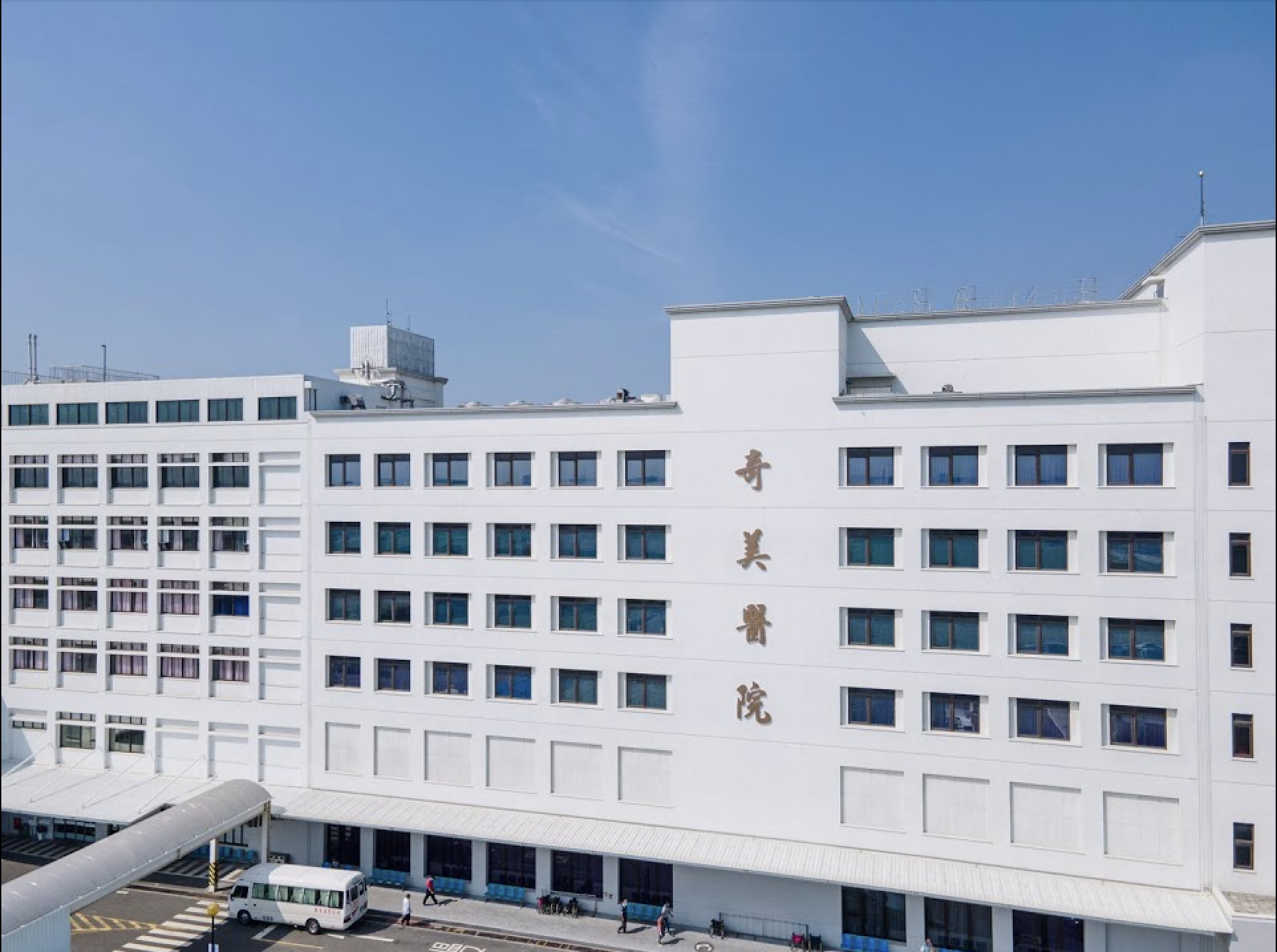
In this validation project, Jiali Chi Mei Hospital adopted our elevator intelligence system, LiftMind. Using state-of-the-art AI technology, the system precisely tracks elevator operation status, and after one to two weeks of on-site learning, effectively optimizes elevator routing and passenger distribution, attempting to alleviate congestion, further enhancing user safety. The system’s deployment also specifically targets potential accidents, malfunctions, or falls that may occur within the hospital, using AI technology for rapid detection and notification to ensure the maximum safety of patients and users.
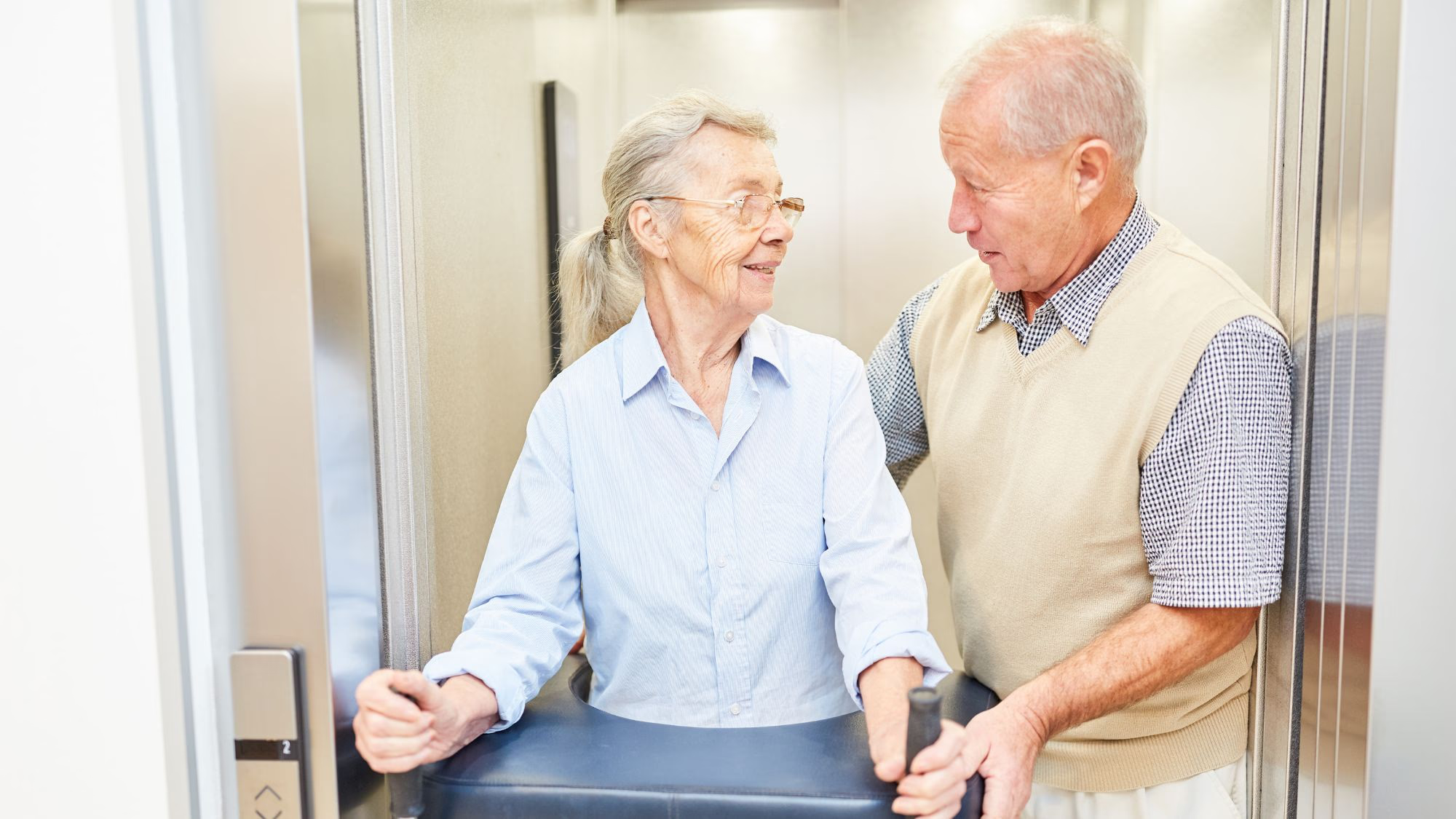
Beyond addressing congestion, this smart system holds many important application values for healthcare institutions. Since Chi Mei Medical Group took over management in September 2011 and renamed the hospital “Chi Mei Medical Foundation Jiali Chi Mei Hospital,” the hospital has been deeply aware of the large elderly population in the region and has actively promoted elder-related services to improve elder health. Therefore, the safety design of elevator rides deserves special attention. One key feature of LiftMind is the “automatic entrapment detection system.” When passengers encounter an emergency inside the elevator, the system can instantly sense it and issue an alert, allowing relevant personnel to respond immediately. This is especially important for hospital users, since some patients may be elderly or have limited mobility—should an accident occur, prompt rescue is essential to reduce potential risk.

To prevent patients or passengers from becoming trapped in the elevator due to an accident, our system can proactively detect when someone is trapped inside, especially targeting the elderly and those with limited mobility who, due to a fall or injury, cannot actively call for help. By judging fall postures and abnormal signals such as unusually long time spent inside the elevator, the system can determine potential entrapment, breaking the traditional threshold that requires the passenger to actively press the call button. The system quickly notifies the management unit via the network, and medical staff can also assess the situation via video and provide timely rescue and reassurance. This upgrade not only improves managers’ grasp of what’s happening inside the elevator, but also stands in the passenger’s shoes, understanding the helplessness and panic of being trapped, providing both sides with more complete elevator rescue assistance. It’s like having a 24-hour attendant inside the elevator, ensuring that when emergencies occur, they can be discovered promptly with a corresponding resolution process. This not only helps reduce strained staffing, but also raises the safety level of the facility.
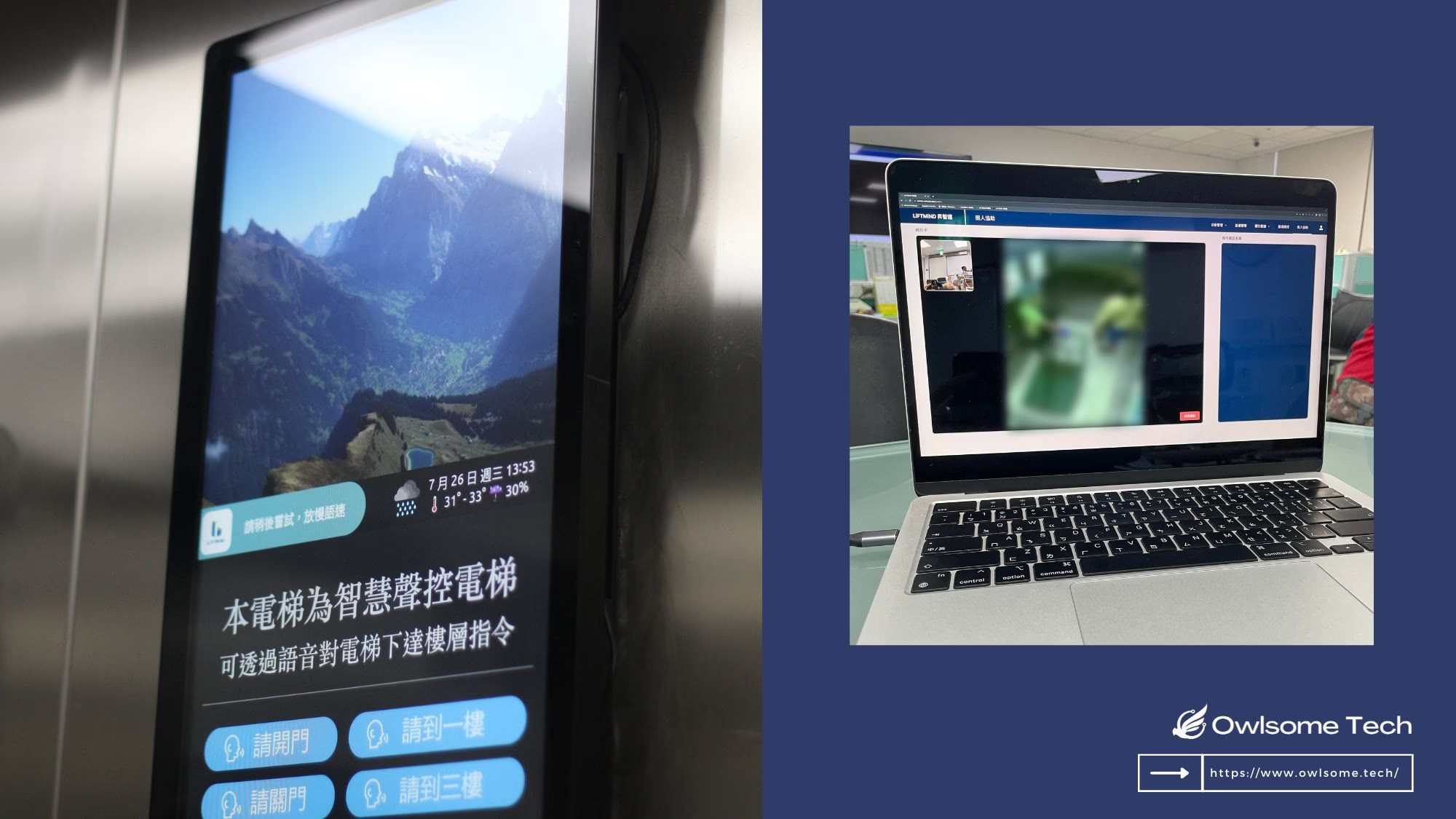 Cloud management platform for real-time monitoring of elevator activity
Additionally, through our cloud management platform, hospital administrators can check elevator operation status and historical data at any time. When special circumstances require elevator dispatch, remote control functions can also become part of the golden rescue window—once the elevator reaches IoT connectivity, we can not only save a lot of time but also prevent risks before they occur.
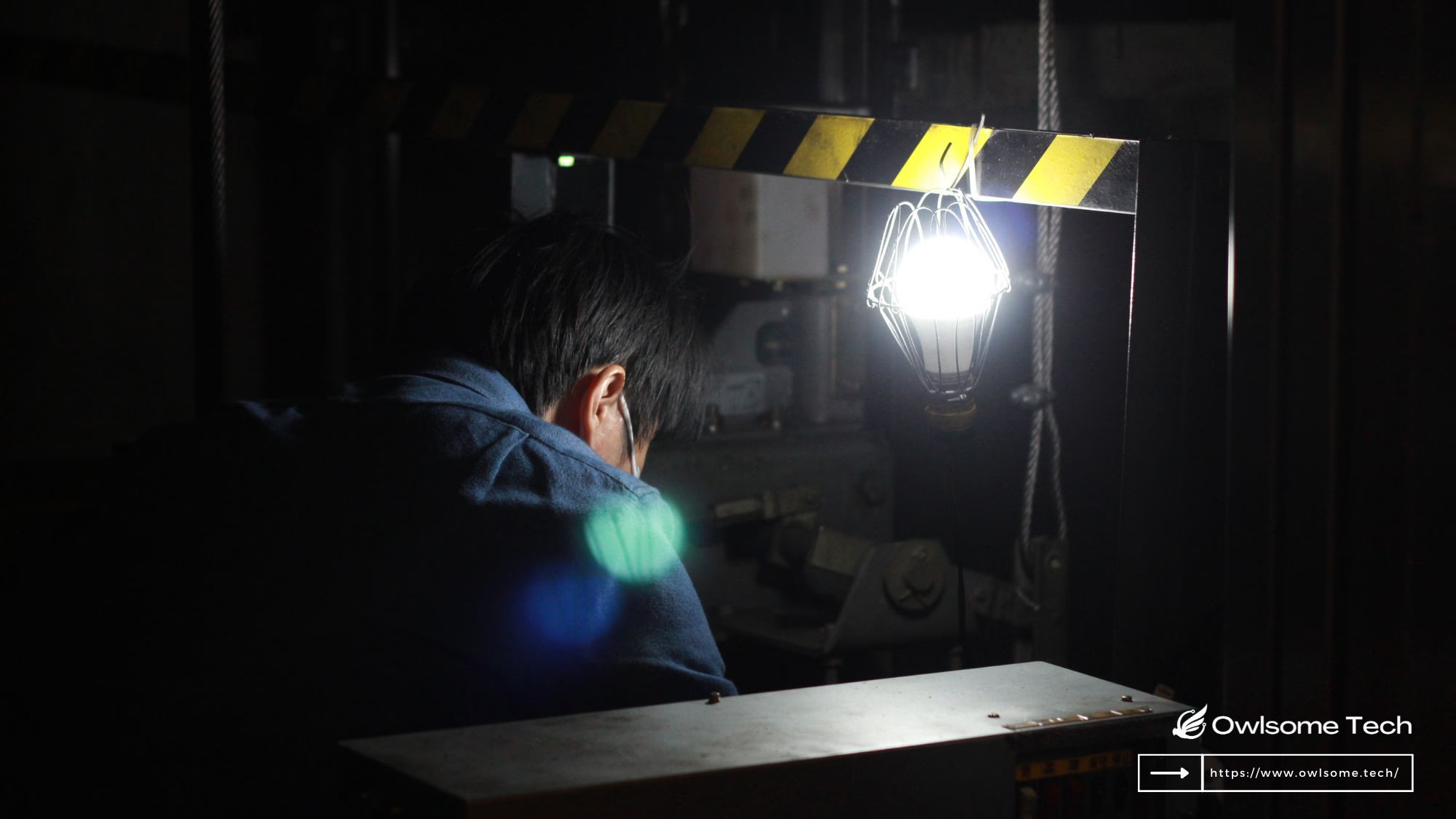
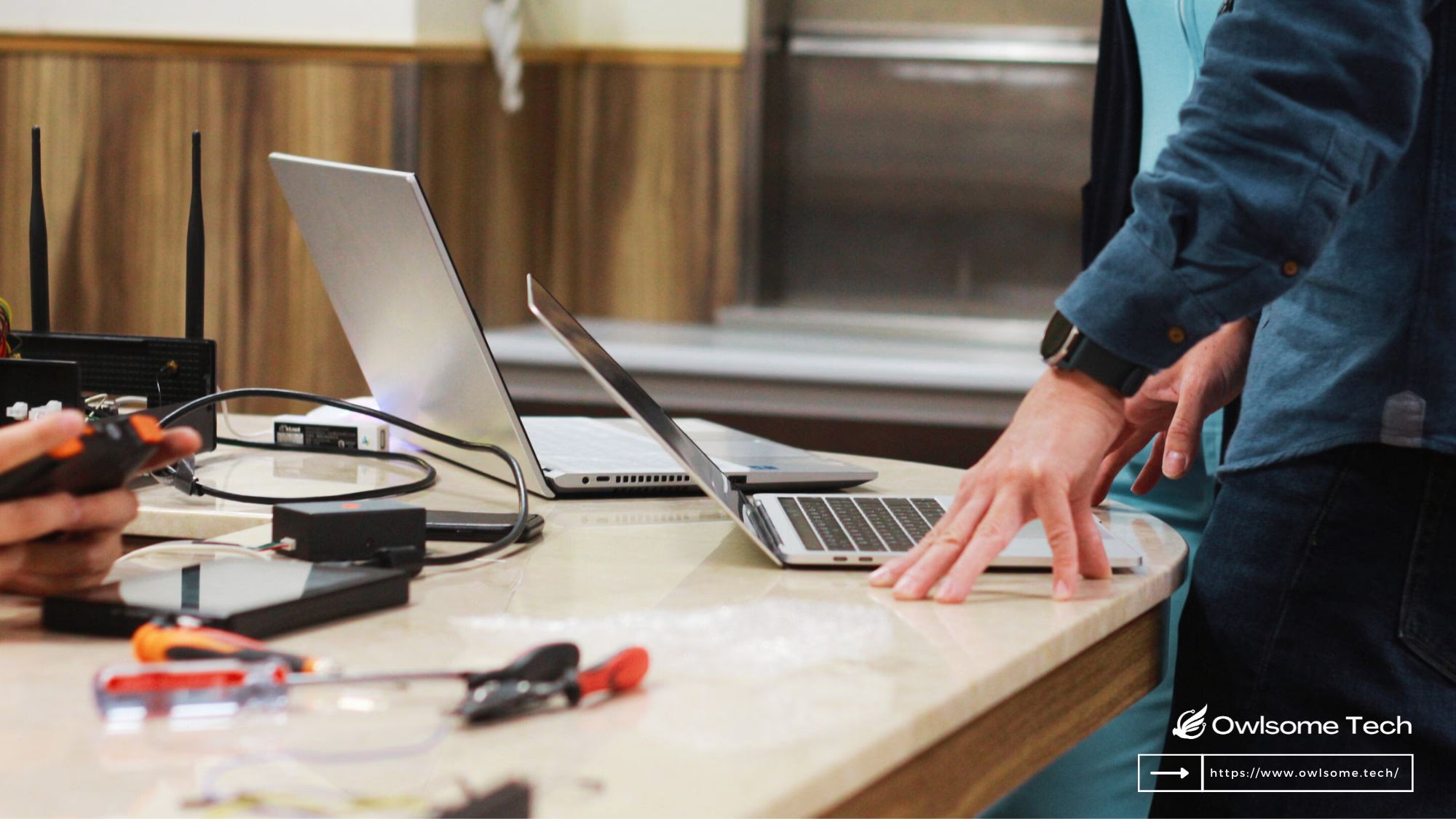
This digital technology upgrade at Tainan Jiali Chi Mei Hospital not only improved elevator congestion but also brought a brand-new smart experience to the healthcare institution. As the three-month field validation project progresses, we will gradually accumulate elevator application data and continue tracking usage patterns after the plug-in system upgrade—using data to improve efficiency and validate needs. Passengers and the hospital alike can experience smart services and value, with a more comprehensive safety mechanism guarding the details that are easy to overlook, giving users at Chi Mei Hospital a more reassuring elevator experience. As technology continues to advance, we believe this smart elevator system will bring more innovation and convenience to the future development of healthcare institutions.